
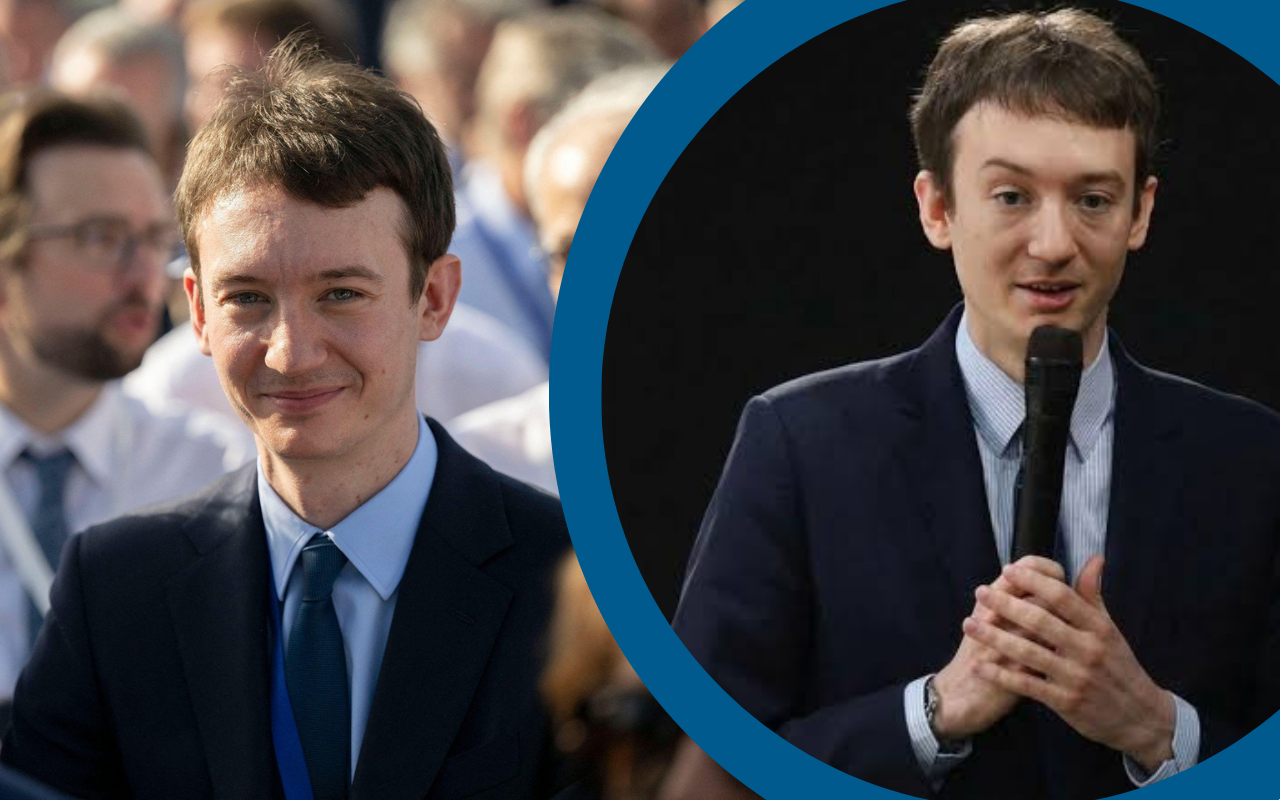
Frédéric Arnault is one of the most recognized young executives in the global luxury industry. As the son of billionaire businessman Bernard Arnault, the chairman and CEO of LVMH, he grew up surrounded by some of the world’s most powerful luxury brands. However, his career has developed beyond his family name, as he has built experience in technology, watchmaking, and luxury management. Frédéric Arnault has become known for combining traditional craftsmanship with modern innovation, especially during his leadership roles at TAG Heuer and within LVMH’s watch division.
Born into one of the most influential business families in the world, Frédéric Arnault represents a new generation of luxury leaders. His education in mathematics and computer science, along with his interest in digital transformation, helped shape his approach to business. From becoming one of the youngest CEOs in Swiss luxury watchmaking to taking leadership roles in major LVMH brands, his journey reflects the changing future of the luxury market.
Early Life and Family Background of Frédéric Arnault
Frédéric Arnault was born on November 7, 1994, in Neuilly-sur-Seine, France. He is the son of Bernard Arnault and Hélène Mercier-Arnault. His father is the founder and chairman of LVMH, the world’s largest luxury goods company, which owns famous brands including Louis Vuitton, Dior, Tiffany & Co., Bulgari, and many others.
Growing up in the Arnault family meant being exposed to global business, luxury products, and entrepreneurship from an early age. Unlike many people who enter business after years of experience outside their family industry, Frédéric had a unique environment where he could observe how one of the world’s largest luxury groups operated.
Despite his privileged background, Frédéric developed his own interests, particularly in technology and innovation. Instead of immediately entering fashion or traditional luxury management, he focused on areas where technology could influence customer experiences and product development.
Education and Interest in Technology
Frédéric Arnault attended Lycée Louis-le-Grand, one of France’s most respected academic institutions. After completing his studies there, he joined École Polytechnique, one of France’s leading universities for science and engineering.
During his time at École Polytechnique, Frédéric studied applied mathematics and computer science. His technical background separated him from many traditional luxury executives who usually come from fashion, business, or marketing backgrounds.
His interest in technology later became an important part of his professional identity. He believed that luxury brands could preserve their heritage while also adapting to modern consumer expectations. This mindset influenced his work at TAG Heuer, where he focused on connecting traditional Swiss watchmaking with digital innovation.
Frédéric Arnault’s Career Beginning at TAG Heuer
Frédéric Arnault started his professional journey within TAG Heuer, a Swiss luxury watch brand owned by LVMH. He joined the company in 2017 and initially worked on connected watches and digital projects.
At that time, the luxury watch industry was facing challenges from changing consumer habits and the growing popularity of smart technology. Frédéric saw an opportunity to combine Swiss craftsmanship with digital features, helping TAG Heuer appeal to younger customers.
His early role allowed him to understand different areas of the business, including product development, strategy, and customer experience. Rather than only focusing on traditional watches, he worked on how technology could become part of the future of luxury timepieces.
Becoming CEO of TAG Heuer at a Young Age
In 2020, Frédéric Arnault became CEO of TAG Heuer at the age of 25. His appointment attracted global attention because he became one of the youngest leaders ever to manage a major Swiss luxury watch company.
As CEO, Frédéric worked on strengthening TAG Heuer’s position as a modern luxury brand. He focused on improving digital communication, expanding the brand’s appeal among younger audiences, and maintaining the company’s reputation for precision watchmaking.
Under his leadership, TAG Heuer continued promoting its connection with sports, racing, and innovation. The brand also emphasized limited editions, luxury partnerships, and products designed to attract both traditional watch collectors and new customers.
His leadership style reflected a combination of respect for history and interest in future trends. He understood that luxury customers wanted not only quality products but also strong digital experiences and emotional connections with brands.
Leadership Role in LVMH Watches Division
In 2024, Frédéric Arnault moved into a broader leadership position as CEO of LVMH Watches. This role placed him in charge of a major division that included some of the group’s important watch brands, such as TAG Heuer, Hublot, and Zenith.
The position increased his influence within the luxury industry because he was no longer responsible for only one brand. Instead, he became involved in broader strategies related to innovation, global markets, and the future direction of luxury watches.
His appointment was also viewed as part of LVMH’s long-term succession planning. Bernard Arnault has gradually given important responsibilities to his children, allowing the next generation to gain experience managing different parts of the company.
Frédéric Arnault and Loro Piana Leadership
Frédéric Arnault expanded his responsibilities further when he became CEO of Loro Piana, one of LVMH’s most prestigious luxury fashion houses. Loro Piana is internationally recognized for exceptional craftsmanship, rare materials, and high-quality cashmere products.
Leading Loro Piana represents a significant step in Frédéric’s career because the brand operates in a different segment of luxury compared with watches. While TAG Heuer focuses on precision timepieces and innovation, Loro Piana is built around heritage, textiles, and exclusive craftsmanship.
His move into fashion leadership shows his ability to manage different luxury categories. It also demonstrates LVMH’s confidence in his ability to protect the identity of heritage brands while preparing them for future growth.
Frédéric Arnault’s Relationship With the Arnault Family Empire
The Arnault family is one of the most influential families in global luxury. Bernard Arnault’s five children have all become involved in different parts of the LVMH business.
His older sister Delphine Arnault has held leadership positions at Christian Dior Couture. His brothers Antoine Arnault and Alexandre Arnault have also worked with major LVMH brands, while his younger brother Jean Arnault has developed a career in the watch division.
Because all of Bernard Arnault’s children have business roles, many industry observers consider them potential future leaders of the LVMH empire. Frédéric Arnault’s experience with major brands places him among the key figures in the company’s next generation.
However, his career is not based only on family connections. His technical education, executive experience, and involvement in brand strategy have helped him build his own reputation within the luxury sector.
Frédéric Arnault Net Worth and Wealth
Frédéric Arnault’s personal net worth is not publicly confirmed. His wealth is closely connected to the Arnault family fortune, which comes from their ownership and influence over LVMH.
Bernard Arnault and his family have consistently ranked among the wealthiest people in the world because of LVMH’s global success. The company generates billions of dollars in revenue through luxury fashion, jewelry, watches, cosmetics, and other premium products.
Although Frédéric has access to significant family wealth, his professional achievements are mainly measured through his leadership roles. His positions at TAG Heuer, LVMH Watches, and Loro Piana have made him a recognized executive in the luxury sector.
Personal Life and Public Image
Frédéric Arnault maintains a relatively private personal life compared with many public figures from wealthy families. His public image is mostly connected to his business career, luxury brands, and leadership responsibilities.
He has occasionally received media attention because of his family background and relationships with celebrities, but he generally focuses on his professional activities rather than public entertainment.
His approach reflects the traditional values of luxury leadership, where reputation, privacy, and long-term brand building are considered important.
Conclusion
Frédéric Arnault has become one of the most important young figures in the luxury business world. Although he was born into the famous Arnault family, he has created his own professional path through technology, innovation, and luxury management.
From leading TAG Heuer as one of the youngest CEOs in Swiss watchmaking to taking major responsibilities within LVMH and Loro Piana, his career shows the evolution of modern luxury leadership. His combination of technical knowledge and respect for traditional craftsmanship represents the direction many luxury companies are taking in the digital age.


Leave a Reply