
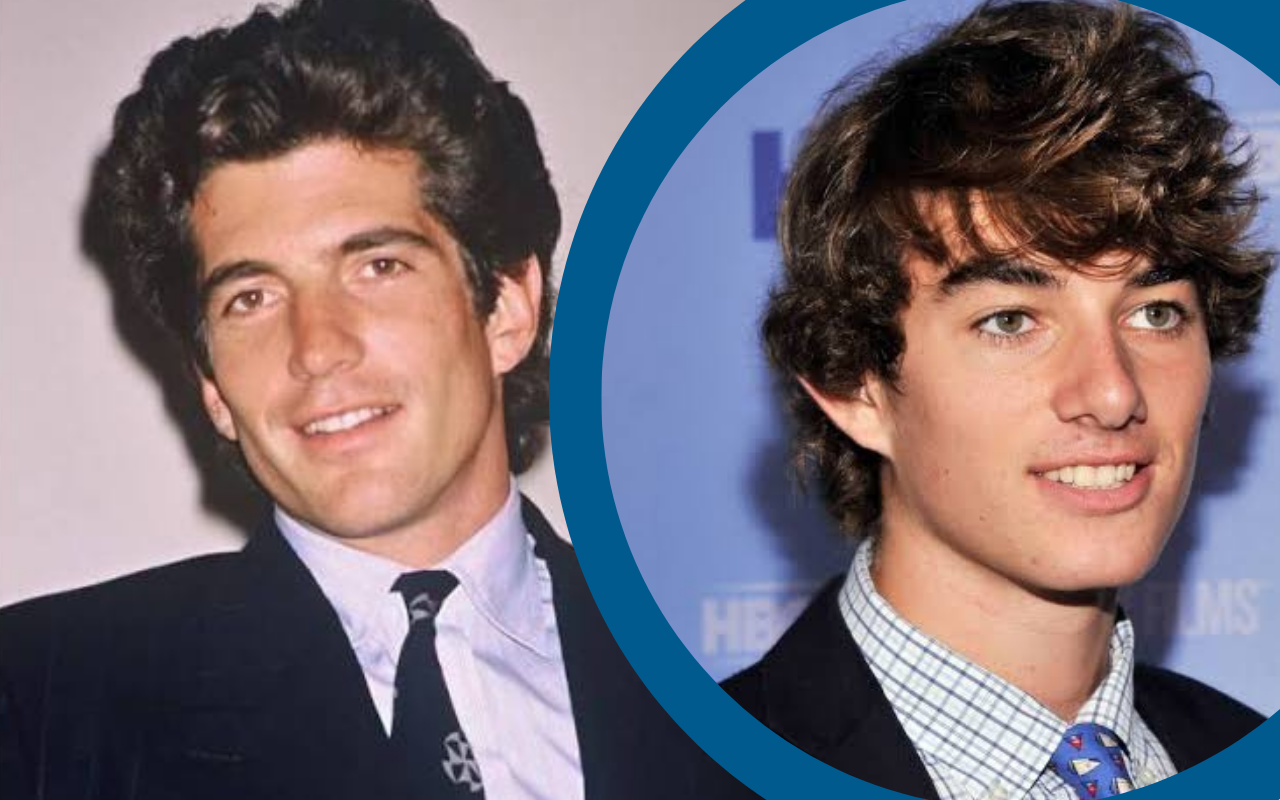
Robert F. Kennedy Jr., widely known as RFK Jr., has become one of the most recognized figures in American public life. Before becoming an environmental lawyer, author, and political personality, he was a young member of the famous Kennedy family, growing up surrounded by politics, public service, and national attention. The story of RFK Jr. young years reveals how his childhood experiences, family tragedies, education, and personal challenges shaped the person he became.
Born into one of America’s most influential political families, Robert F. Kennedy Jr. experienced both privilege and hardship from an early age. His connection to the Kennedy legacy gave him unique opportunities, but it also brought enormous expectations. His father’s assassination, his family’s political history, and his own struggles during youth played important roles in developing his views on justice, environmental protection, and public responsibility.
Early Childhood of Robert F. Kennedy Jr.
Robert Francis Kennedy Jr. was born on January 17, 1954, in Washington, D.C. He was the third child of Robert F. Kennedy and Ethel Kennedy. His father was a prominent American politician who served as the U.S. attorney general under President John F. Kennedy and later became a U.S. senator from New York.
Growing up, young RFK Jr. was surrounded by one of the most famous families in American history. The Kennedy family was deeply involved in politics, government, and social causes. His childhood was filled with visits from political leaders, family discussions about public service, and constant media attention.
He spent much of his early life between different Kennedy family homes, including the family compound in Hyannis Port, Massachusetts. The environment around him was shaped by conversations about leadership, responsibility, and helping others.
Growing Up in the Kennedy Political Dynasty
Being a young Kennedy came with both advantages and challenges. RFK Jr. grew up with access to some of the best educational opportunities and influential family connections. However, the Kennedy name also created pressure because the family was constantly watched by the public.
His relatives included some of the most important figures in American politics. His uncle, John F. Kennedy, became the 35th president of the United States, while his father became one of the country’s most recognized political leaders.
From an early age, RFK Jr. learned about political issues, social movements, and public service. The Kennedy family encouraged involvement in causes that focused on improving society. These early influences later became connected to his environmental activism and legal career.
The Impact of Family Tragedies on Young RFK Jr.
One of the most defining moments of young RFK Jr.’s life came when his uncle, President John F. Kennedy, was assassinated in 1963. At the time, RFK Jr. was only nine years old. The event deeply affected the entire Kennedy family and changed the atmosphere around his childhood.
Five years later, in 1968, his father Robert F. Kennedy was assassinated while campaigning for president. RFK Jr. was only 14 years old when he lost his father. The tragedy became a major turning point in his life.
Growing up without his father had a lasting impact on him. The loss forced him to deal with grief and emotional challenges at a very young age. It also influenced his understanding of public service, justice, and the importance of protecting communities.
RFK Jr. Young Years and Personal Challenges
During his teenage years, RFK Jr. faced personal struggles while trying to deal with the pressure of his family history and personal losses. Like many young people facing difficult circumstances, he experienced challenges that affected his education and personal development.
His teenage years included struggles with substance abuse, which he later openly discussed as part of his life journey. After overcoming these difficulties, he became focused on rebuilding his life and finding a meaningful direction.
These experiences became an important part of his personal story. They shaped his perspective on recovery, responsibility, and personal transformation. His journey from a troubled teenager to an environmental lawyer became one of the most discussed parts of his biography.
Education and Academic Journey of Young RFK Jr.
Education played an important role in shaping RFK Jr.’s future career. He attended several schools before eventually studying at Harvard University, one of the most prestigious universities in the United States.
At Harvard, he studied American history and literature and graduated in 1976. During his college years, his family name brought attention, but he also worked to create his own identity beyond being a member of the Kennedy family.
After Harvard, he continued his education in law. He attended the University of Virginia School of Law and later developed expertise in environmental law through advanced studies at Pace University.
His academic background gave him the foundation to enter the legal field and eventually become one of the country’s most recognized environmental attorneys.
Early Career Before Becoming a Public Figure
After completing his education, RFK Jr. began building a career focused on law and environmental protection. His early professional years were different from the traditional political path followed by many members of his family.
Instead of immediately running for office, he dedicated much of his work to protecting natural resources and fighting environmental pollution. His legal career gained attention through his work with Riverkeeper, an organization focused on protecting the Hudson River.
Through environmental lawsuits and advocacy, he developed a reputation as a strong environmental defender. His work helped communities challenge pollution and encouraged stronger protection of waterways.
These early achievements allowed him to establish his own professional identity separate from the Kennedy political legacy.
RFK Jr.’s Relationship With His Kennedy Family Legacy
The Kennedy name has remained one of the strongest political brands in American history, and RFK Jr. has always been connected to that legacy. However, his career developed differently from many of his relatives.
While some Kennedy family members pursued elected positions, RFK Jr. focused mainly on legal work, environmental causes, writing, and public advocacy. His approach reflected his personal interests and experiences rather than simply following family traditions.
The lessons he learned from his father’s commitment to public service continued to influence him. He often connected his environmental work with broader ideas about protecting communities and holding powerful organizations accountable.
How Young RFK Jr. Shaped His Later Views
The experiences of RFK Jr. during his youth influenced many parts of his later career. Growing up in a politically active family taught him the importance of public involvement. Losing his father taught him about tragedy, resilience, and the impact of leadership.
His education gave him analytical skills, while his early professional experiences developed his abilities as a lawyer and advocate. These different parts of his life combined to create his public identity.
The young RFK Jr. who grew up in the Kennedy family eventually became a figure known for environmental activism, legal battles, writing, and political discussions. His early years remain essential to understanding his beliefs and career choices.
Conclusion
The story of RFK Jr. young years is a combination of privilege, responsibility, personal struggles, and transformation. Born into the famous Kennedy family, he experienced the opportunities that came with his background but also faced challenges that shaped his character.
From losing his father at a young age to overcoming personal difficulties and building a career in environmental law, Robert F. Kennedy Jr.’s journey shows how early experiences can influence a person’s future.
His childhood, education, and family legacy played important roles in creating the public figure known today. Understanding young RFK Jr. provides a deeper look at the experiences that shaped his approach to law, activism, and public life.




Leave a Reply