
Introduction
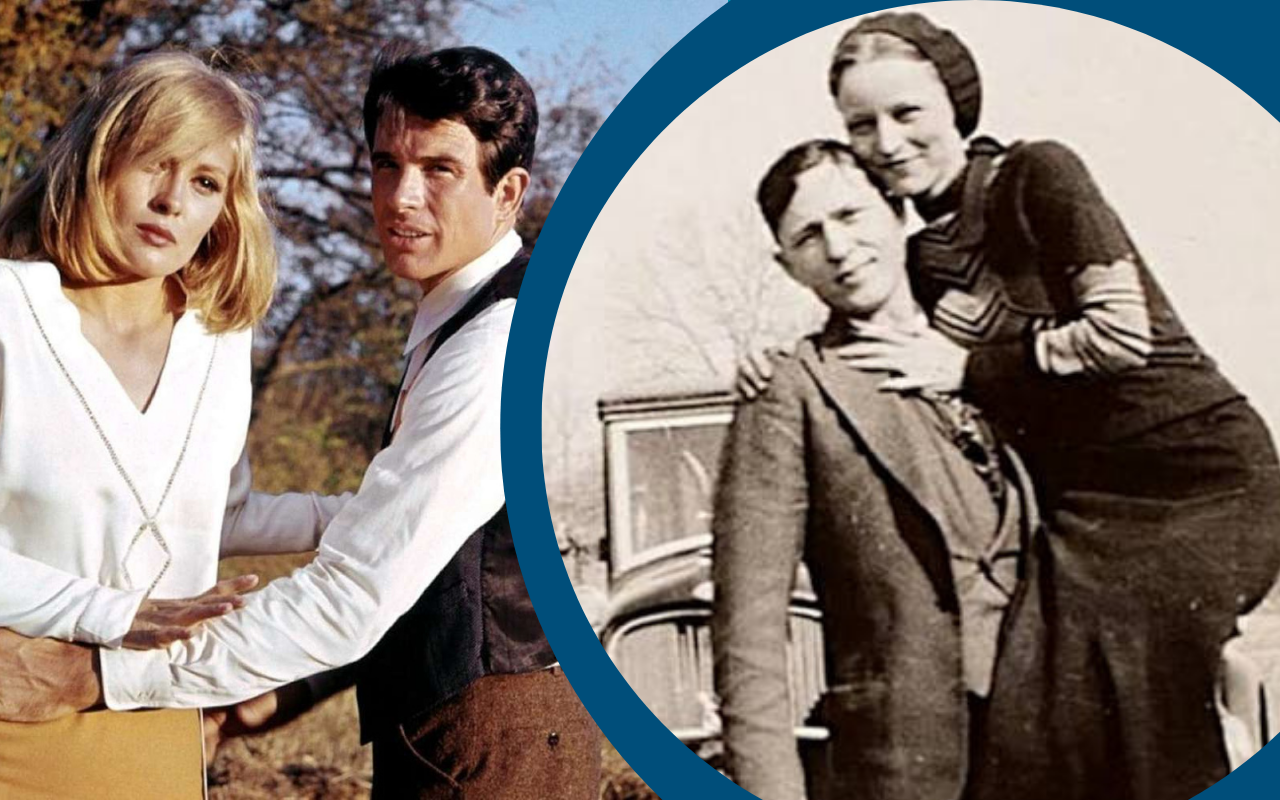
The phrase “Bonnie and Clyde real face” has become a popular search topic because many people want to see what the legendary outlaw couple actually looked like. Over the decades, Hollywood movies, television shows, and books have created dramatic versions of Bonnie Parker and Clyde Barrow, but their real appearance was captured in authentic photographs taken during the early 1930s. These original images tell a fascinating story about two young people who became some of the most famous criminals in American history.
Bonnie and Clyde were not fictional characters. They were real people who lived during the Great Depression, a time when many Americans faced unemployment and financial hardship. Their crimes, dramatic escapes, and highly publicized deaths turned them into legends. However, behind the famous photographs were two individuals whose lives were far more complex than the myths that later surrounded them. Understanding their real faces also means understanding the historical events that shaped their lives.
Who Were Bonnie Parker and Clyde Barrow?
Bonnie Elizabeth Parker was born on October 1, 1910, in Rowena, Texas. She grew up in a working-class family and was known as a bright student who enjoyed writing poetry and performing in school. Before meeting Clyde, Bonnie had married Roy Thornton, but their marriage did not last. Although they separated, they never officially divorced.
Clyde Chestnut Barrow was born on March 24, 1909, near Telico, Texas. His family struggled financially, and he spent much of his childhood in poverty. As a young man, Clyde became involved in theft and other criminal activities. Several arrests and time in prison hardened his attitude toward law enforcement and influenced the direction of his future.
The couple first met in January 1930 at the home of a mutual friend in Texas. Their relationship quickly became serious, and Bonnie remained devoted to Clyde despite knowing about his criminal background. Together, they became partners in one of the most famous crime sprees in American history.
What Did Bonnie and Clyde Really Look Like?
Authentic photographs reveal that Bonnie and Clyde looked very different from the glamorous versions often portrayed in films.
Bonnie Parker was a petite woman with dark hair, expressive eyes, and a warm smile. She stood about 5 feet 5 inches tall and weighed around 90 pounds. Many of the surviving photographs show her dressed in fashionable clothing for the time, wearing skirts, hats, and elegant shoes. Her youthful appearance often surprised people who expected a hardened criminal.
Clyde Barrow had a slim build, narrow face, dark hair, and youthful features. He occasionally wore a small moustache and was usually photographed wearing suits, jackets, or casual shirts. His appearance reflected an ordinary young man rather than the dangerous outlaw described in newspaper headlines.
Their genuine photographs show that they were both in their early twenties during most of their criminal career. Bonnie was only 23 years old and Clyde was 25 when they died.
The Famous Photographs That Made Them Icons
One of the reasons Bonnie and Clyde remain famous today is because of a remarkable collection of photographs discovered by police after the Barrow Gang abandoned a hideout in Joplin, Missouri, in 1933.
The pictures showed Bonnie playfully posing with pistols and rifles while smiling for the camera. In one of the most famous photographs, she appears holding a cigar in her mouth. This image led many people to believe she regularly smoked cigars. Later research suggested this was simply a humorous pose, as Bonnie reportedly preferred cigarettes.
Other photographs showed Clyde standing proudly beside stolen automobiles, while several images captured the couple laughing together during their time on the run. These candid photographs humanized them and contributed to their growing reputation as rebellious young lovers. Newspapers across America published the images, helping transform them into national celebrities.
Life During the Great Depression
The Great Depression played an important role in shaping the public’s perception of Bonnie and Clyde. During the early 1930s, millions of Americans lost their jobs, businesses failed, and banks closed. Many families struggled simply to survive.
Although Bonnie and Clyde committed serious crimes, some members of the public viewed them as symbols of resistance against authority. This image was partly created by sensational newspaper coverage that emphasized dramatic escapes and exciting adventures while often overlooking the suffering of their victims.
In reality, the Barrow Gang frequently robbed small businesses, rural stores, and petrol stations rather than wealthy financial institutions. Their crimes caused fear throughout several states, and many innocent people lost their lives during their violent encounters with the gang.
Crimes and the Rise of the Barrow Gang
The Barrow Gang included several associates in addition to Bonnie and Clyde. Over approximately two years, the group travelled across Texas, Oklahoma, Missouri, Louisiana, Arkansas, Iowa, and other states.
Their criminal activities included automobile theft, armed robbery, burglary, kidnapping, and murder. Law enforcement agencies believed the gang was responsible for the deaths of numerous people, including several police officers.
As the gang continued crossing state lines in stolen vehicles, federal authorities became increasingly involved in the investigation. The nationwide manhunt attracted significant media attention, making Bonnie and Clyde among the most recognizable fugitives in America.
Despite their notoriety, life on the run was difficult. The gang constantly changed locations, slept in stolen cars, and lived with the fear of being captured. Their daily lives were marked by exhaustion, poor living conditions, and continuous danger.
Separating Myth from Reality
Many popular beliefs about Bonnie and Clyde are based more on fiction than historical evidence. Hollywood films often present them as glamorous antiheroes involved in exciting adventures and dramatic bank robberies.
Historical records tell a different story. Most of their robberies targeted small businesses rather than large banks. Their lifestyle involved constant movement, poor health, limited money, and frequent violence. Bonnie herself suffered serious injuries after a car accident in 1933, making travel even more difficult.
Another common misconception concerns Bonnie’s role in the gang. Some stories portray her as an active gunfighter in every confrontation. Historians continue to debate how directly she participated in violent crimes, although there is little doubt that she chose to remain with Clyde throughout their criminal career.
These facts remind us that their real lives were far less glamorous than later fictional portrayals suggested.
The Final Ambush
By 1934, law enforcement officers had spent months tracking the movements of Bonnie and Clyde. Former Texas Ranger Frank Hamer led a special team assigned to stop the Barrow Gang.
On the morning of May 23, 1934, officers waited along a rural road near Sailes in Bienville Parish, Louisiana. When Bonnie and Clyde approached in their stolen Ford V8, the officers opened fire without warning.
The attack lasted only a few moments, but the vehicle was struck by numerous bullets. Bonnie Parker and Clyde Barrow died instantly inside the car. Their deaths brought an end to one of America’s most famous criminal manhunts.
News of the ambush spread rapidly across the country. Thousands of people attended their funerals, demonstrating the extraordinary level of public interest surrounding the outlaw couple.
Their Legacy in Popular Culture
More than ninety years after their deaths, Bonnie and Clyde remain among the most recognizable figures in American criminal history. Their story has inspired countless books, documentaries, songs, television programmes, and films.
The 1967 film Bonnie and Clyde, starring Warren Beatty and Faye Dunaway, introduced the couple to a new generation and helped create the romantic image that still exists today. Later productions continued exploring their lives from different perspectives.
Museums, historical societies, and archives preserve original photographs, newspaper articles, and personal items connected to Bonnie and Clyde. These materials allow modern audiences to separate historical fact from fictional storytelling.
Their authentic photographs continue attracting interest because they reveal the real people behind one of history’s most enduring crime legends.
Conclusion
Searching for Bonnie and Clyde’s real face is about much more than finding old photographs. It is an opportunity to understand the true story of two young people whose lives became permanently linked to one of the most famous crime sprees in American history. Their authentic images show ordinary-looking individuals rather than the larger-than-life characters often presented in films.
Bonnie Parker and Clyde Barrow lived during a difficult period in American history, and their actions left a lasting impact on law enforcement, journalism, and popular culture. While their photographs continue to fascinate millions of people, they also remind us that behind every famous legend lies a real historical story. By examining reliable historical records alongside their genuine photographs, we gain a clearer understanding of who Bonnie and Clyde really were and why their legacy continues to capture public attention decades after their deaths.




Leave a Reply