
Introduction
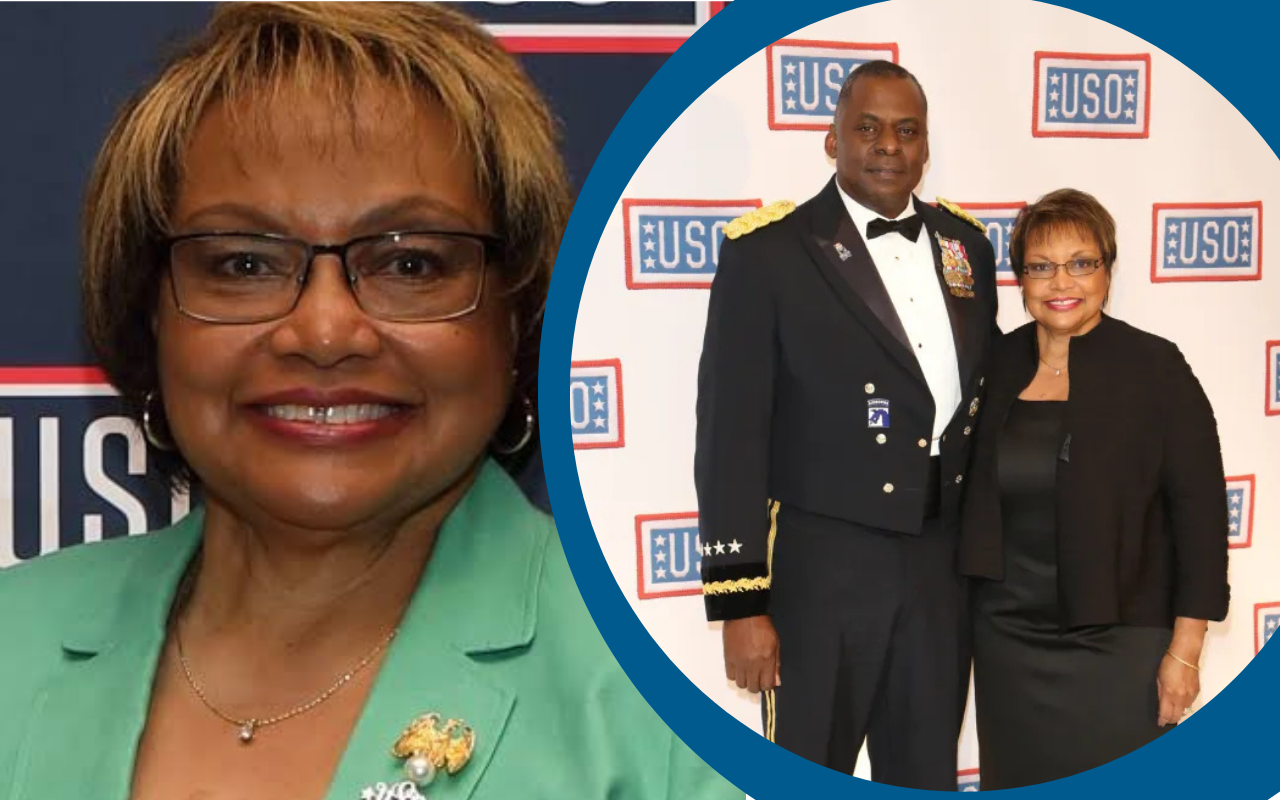
Charlene Austin is widely recognized as the wife of retired U.S. Army General and former U.S. Secretary of Defense Lloyd Austin. However, her story extends far beyond her role as the spouse of a prominent military leader. Over the years, Charlene Austin has built a reputation as a dedicated advocate for military families, a community leader, and a supporter of educational and nonprofit initiatives that improve the lives of service members and their loved ones.
Throughout her life, she has worked behind the scenes to strengthen military communities, support family readiness, and promote programs that address the unique challenges faced by military spouses and children. Her contributions have earned respect within military and nonprofit circles, where she is known for her commitment to service, leadership, and community engagement. While much public attention has focused on her husband’s distinguished military career, Charlene Austin’s own achievements reveal a legacy of meaningful impact and dedication.
Early Life and Personal Background
Charlene Denise Banner Austin was born and raised in the United States. Although she has maintained a relatively private personal life, her values of service, education, and community involvement became evident throughout her adult years. Like many individuals connected to military families, she developed a strong appreciation for resilience, adaptability, and commitment.
The experiences that shaped her early years helped prepare her for the responsibilities that would later come with military life. Being part of a military family often requires flexibility, patience, and a willingness to embrace change. These qualities became defining aspects of Charlene Austin’s approach to both personal and professional challenges.
While detailed information about her childhood remains limited, her later accomplishments demonstrate a lifelong dedication to helping others and supporting communities. This commitment would become a central theme throughout her life and career.
Marriage to Lloyd Austin and Military Family Life
One of the most significant chapters in Charlene Austin’s life began with her marriage to Lloyd Austin. Over the course of more than four decades together, the couple experienced many of the unique challenges associated with military service.
Military families often face frequent relocations, extended separations, and the uncertainty that accompanies military assignments. Supporting a spouse whose career involves leadership responsibilities and national service requires exceptional strength and adaptability. Charlene embraced these challenges while maintaining stability and support for her family.
Throughout Lloyd Austin’s rise through the ranks of the United States Army, Charlene played an important role behind the scenes. Her support contributed to the family’s ability to navigate demanding assignments and transitions. Their long-lasting marriage reflects a partnership built on mutual respect, dedication, and shared values.
Military spouses frequently serve as pillars of support within military communities, and Charlene Austin became a respected figure among families facing similar experiences.
Understanding the Needs of Military Families
Living within military communities gave Charlene Austin firsthand insight into the challenges faced by service members and their families. Military life often involves unique pressures, including deployments, frequent moves, career transitions, and educational disruptions for children.
These experiences helped shape her understanding of the importance of family support systems. She recognized that military readiness extends beyond soldiers and includes the well-being of spouses, children, and extended family members.
Her awareness of these issues motivated her involvement in organizations dedicated to improving the quality of life for military families. By listening to the concerns of military spouses and advocating for solutions, she became a trusted voice within the military support community.
Her efforts have contributed to broader conversations about family readiness, access to resources, and the importance of community connections during periods of transition and uncertainty.
Advocacy for Military Spouses
One of Charlene Austin’s most notable contributions has been her advocacy for military spouses. Military spouses often face challenges related to employment, education, childcare, and maintaining family stability during deployments and relocations.
Because military families move frequently, spouses may struggle to build long-term careers or access consistent professional opportunities. Charlene has supported initiatives aimed at addressing these challenges and helping military spouses achieve greater economic and personal stability.
Her advocacy emphasizes the importance of recognizing military spouses as valuable contributors to both military readiness and broader society. Through public speaking, advisory work, and nonprofit involvement, she has helped raise awareness of issues affecting military families.
Her leadership in this area has encouraged organizations and policymakers to consider the unique needs of military households when developing support programs and services.
Involvement with the Military Family Advisory Network
Charlene Austin has been associated with the Military Family Advisory Network, an organization dedicated to understanding and improving the lives of military families. The network conducts research, gathers feedback from military households, and works to address challenges affecting service members and their loved ones.
Through her involvement, Charlene has helped support efforts to identify key concerns facing military communities. These concerns often include financial well-being, access to healthcare, educational opportunities, and family support services.
The organization’s work relies on listening directly to military families and translating their experiences into meaningful recommendations. Charlene’s participation reflects her belief that effective advocacy begins with understanding the real-life experiences of those being served.
Her contributions have helped strengthen connections between military families, community organizations, and decision-makers working to improve support systems.
Supporting Military Children and Education
Education has been another important focus of Charlene Austin’s advocacy efforts. Military children often face unique educational challenges due to frequent relocations and changes in school environments. These transitions can affect academic performance, social development, and emotional well-being.
Recognizing these challenges, Charlene has supported organizations dedicated to helping military children succeed. She has been involved with initiatives that promote educational stability, provide resources for families, and support students adapting to new environments.
Military children demonstrate remarkable resilience as they adjust to changing circumstances, make new friends, and adapt to different schools. Charlene’s work highlights the importance of providing these young people with the support and opportunities they need to thrive.
Her commitment to education reflects a broader understanding that strong family support contributes to long-term success for both military children and their communities.
Leadership in Nonprofit and Community Organizations
Beyond military advocacy, Charlene Austin has contributed to various nonprofit and community organizations. Her leadership style emphasizes collaboration, service, and practical solutions to complex challenges.
Nonprofit organizations play a vital role in addressing social issues and providing support where resources may be limited. Through board memberships, advisory roles, and volunteer efforts, Charlene has helped strengthen programs that serve military families and broader communities.
Her work demonstrates how leadership can take many forms. While some leaders operate in highly visible positions, others create meaningful change through community engagement and organizational support. Charlene’s contributions reflect the latter approach, focusing on impact rather than publicity.
Her ability to bring people together around shared goals has been a key factor in her effectiveness as a community advocate and nonprofit leader.
Public Recognition and National Visibility
As Lloyd Austin assumed increasingly prominent leadership positions, including his service as U.S. Secretary of Defense, public interest in Charlene Austin also grew. Despite this increased visibility, she has remained focused on service rather than personal recognition.
Her public appearances often emphasize support for military families, education, and community engagement rather than political issues. This approach has allowed her to maintain credibility across a wide range of audiences and organizations.
Recognition of her contributions comes not only from official honors but also from the respect she has earned within military communities. Families who have benefited from advocacy efforts and support programs understand the value of leaders who dedicate themselves to improving everyday lives.
Charlene’s growing national profile has provided additional opportunities to highlight important issues affecting military households and encourage broader support for family-focused initiatives.
Legacy of Service and Community Impact
Charlene Austin’s legacy is rooted in service, compassion, and dedication to others. Through decades of advocacy, leadership, and community involvement, she has helped improve the lives of countless military families.
Her work demonstrates that meaningful leadership does not always require holding public office or occupying high-profile positions. Often, lasting impact comes from consistent efforts to support individuals, strengthen communities, and address practical challenges.
The programs and organizations she has supported continue to influence military family well-being and contribute to stronger support networks. Her emphasis on education, family readiness, and community engagement reflects values that remain important across generations.
As military communities continue to evolve, the contributions of advocates like Charlene Austin serve as examples of how dedicated individuals can create positive change through service and leadership.
Conclusion
Charlene Austin is much more than the spouse of a distinguished military leader. She is a respected advocate, nonprofit leader, and champion for military families whose contributions have made a meaningful difference in the lives of service members, spouses, and children. Her work reflects a deep understanding of the challenges military families face and a commitment to helping them overcome those challenges through support, education, and community engagement.
Throughout her life, she has demonstrated the power of service-oriented leadership and the importance of strengthening the foundations that support military readiness. By focusing on family well-being, educational opportunities, and community connections, Charlene Austin has built a legacy that extends far beyond public recognition. Her story serves as an inspiring reminder that true leadership is often measured not by visibility but by the positive impact one has on the lives of others.




Leave a Reply