
Introduction
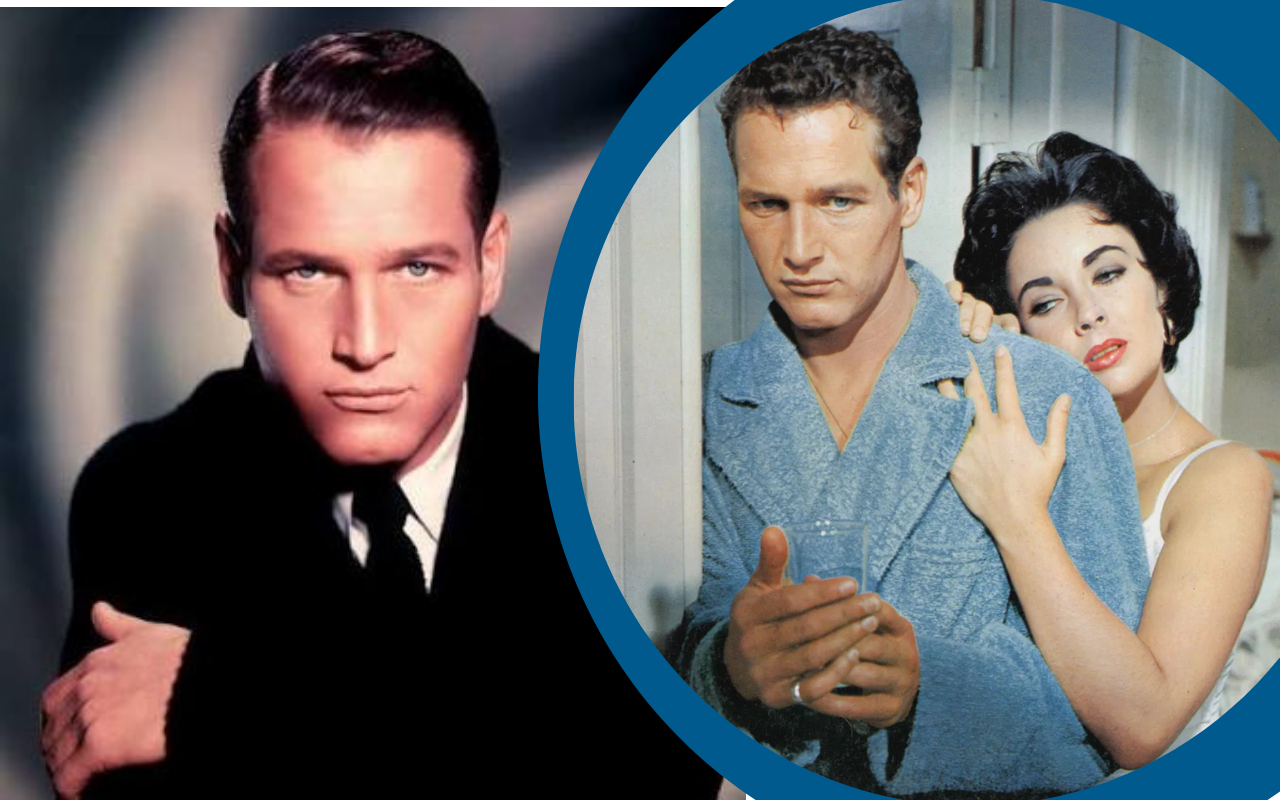
The 1960s were a transformative period for Hollywood, marked by changing social attitudes, evolving filmmaking styles, and the rise of a new generation of actors. Among the stars who shaped this era, Paul Newman stood out as one of the most influential and admired figures in American cinema. Known for his striking blue eyes, natural charisma, and remarkable acting talent, Newman entered the decade already recognized as a promising actor. However, it was during the 1960s that he cemented his reputation as one of the greatest performers of his generation.
Throughout the decade, Newman appeared in a series of critically acclaimed films that showcased his versatility and depth. He played complex characters who challenged traditional ideas of heroism and reflected the changing values of American society. At the same time, he expanded his career beyond acting by exploring directing and developing interests that would later define other aspects of his life. The 1960s were not only a period of professional success for Paul Newman but also the foundation of the enduring legacy that continues to influence cinema today.
Paul Newman’s Rise to Stardom at the Beginning of the Decade
As the 1960s began, Paul Newman was already attracting attention thanks to his performances in films such as Cat on a Hot Tin Roof and The Long, Hot Summer. Audiences were drawn to his combination of classic movie-star looks and serious acting ability. Unlike many leading men of the era, Newman brought emotional complexity to his characters, making them feel authentic and relatable.
Hollywood was undergoing significant changes during this time. Traditional studio systems were losing some of their influence, and audiences were seeking more realistic stories and characters. Newman fit perfectly into this changing environment. His performances reflected the growing interest in flawed, multidimensional individuals rather than perfect heroes. This quality would become one of the defining characteristics of his work throughout the decade.
The Impact of Exodus and Early 1960s Success
One of Newman’s first major films of the decade was Exodus, released in 1960. The historical drama explored the events surrounding the creation of the state of Israel and featured Newman in the leading role of Ari Ben Canaan. The film was ambitious in scale and attracted international attention.
Exodus demonstrated Newman’s ability to carry a large production while portraying a character driven by conviction and determination. The film’s global success helped increase his international popularity and established him as a major box-office attraction. More importantly, it showed that Newman could succeed in both intimate character studies and large-scale historical epics. This versatility would become a major asset throughout the 1960s.
The Hustler and the Birth of an Iconic Character
In 1961, Newman delivered one of the most celebrated performances of his career in The Hustler. He played Fast Eddie Felson, a talented but arrogant pool player determined to prove himself against the best in the game. The film explored themes of ambition, pride, failure, and redemption, giving Newman an opportunity to showcase his dramatic range.
Critics praised his performance for its emotional honesty and intensity. Fast Eddie was not a traditional hero. He was deeply flawed, often selfish, and driven by personal ambition. Yet audiences connected with him because of his vulnerability and determination. The role earned Newman an Academy Award nomination and became one of the defining performances of his career.
The Hustler also reflected broader cultural shifts taking place in America. Its focus on personal struggle and moral ambiguity resonated with audiences who were increasingly interested in more realistic and psychologically complex stories.
Hud and the Evolution of the Antihero
By the early 1960s, Newman had become closely associated with characters who challenged conventional ideas of morality. This trend reached new heights with Hud in 1963. In the film, Newman portrayed Hud Bannon, a selfish and irresponsible rancher whose behavior creates conflict within his family.
Hud was a groundbreaking character because he represented a new type of protagonist. He was charismatic and attractive, yet deeply flawed. Rather than presenting clear distinctions between good and evil, the film explored the consequences of personal choices and moral compromise.
Many film historians consider Hud one of the most important movies of the decade. Newman’s performance received widespread acclaim and earned another Academy Award nomination. The film’s influence can still be seen in modern cinema, where morally ambiguous protagonists have become increasingly common.
Expanding His Range Through Diverse Roles
One reason for Newman’s continued success throughout the 1960s was his willingness to take on a variety of roles. Rather than relying on a single screen persona, he explored different genres and character types. He appeared in romantic dramas, comedies, mysteries, and thrillers, demonstrating remarkable versatility.
Films such as Sweet Bird of Youth showcased his ability to portray emotionally vulnerable characters, while Harper allowed him to bring charm and wit to the role of a private detective. In Torn Curtain, directed by Alfred Hitchcock, Newman entered the world of Cold War espionage. Each project revealed a different aspect of his talent and prevented audiences from seeing him as limited to a specific type of role.
This diversity helped Newman remain relevant during a decade when audience tastes were changing rapidly. He consistently adapted to new storytelling styles while maintaining the authenticity that defined his performances.
Cool Hand Luke and Cultural Significance
Perhaps no role better represents Paul Newman’s impact on 1960s cinema than his performance in Cool Hand Luke, released in 1967. The film tells the story of Luke Jackson, a prisoner who refuses to conform to authority despite repeated punishment.
Luke became a symbol of individuality and resistance. During a decade marked by social movements, political protests, and cultural change, the character resonated deeply with audiences. Many viewers saw him as a representation of personal freedom and the struggle against oppressive systems.
Newman’s portrayal combined humor, courage, vulnerability, and defiance. His performance earned another Academy Award nomination and remains one of the most celebrated achievements in film history. Even decades later, Cool Hand Luke continues to be studied for its themes and cultural significance.
Westerns and the Changing American Hero
The 1960s were also an important decade for the western genre, and Newman contributed significantly through films such as Hombre and Butch Cassidy and the Sundance Kid. These movies reflected the changing nature of American storytelling by presenting more complex heroes than those typically found in earlier westerns.
In Hombre, Newman portrayed a man raised among the Apache who confronts prejudice and questions of identity. The film addressed social issues while maintaining the excitement of a traditional western.
Butch Cassidy and the Sundance Kid, released in 1969, became one of the decade’s biggest successes. Newman starred alongside Robert Redford, creating one of the most memorable partnerships in Hollywood history. The film combined action, humor, and emotional depth while presenting outlaws as sympathetic and human characters. Its success helped redefine the western for a new generation.
Paul Newman’s Transition into Directing
While acting remained his primary focus during the 1960s, Newman also began exploring opportunities behind the camera. His directorial debut came with Rachel, Rachel in 1968, starring his wife Joanne Woodward.
The film received widespread critical acclaim and earned multiple Academy Award nominations. Critics praised Newman’s sensitive storytelling and ability to create emotionally rich characters. His success as a director demonstrated that his understanding of filmmaking extended far beyond acting.
This transition marked an important stage in his career. It showed that Newman possessed creative ambitions beyond performing and was capable of contributing to cinema in multiple ways. His work as a director would continue in later decades, further enhancing his reputation within the industry.
Personal Life, Joanne Woodward, and Racing Interests
The 1960s were significant for Newman not only professionally but also personally. His marriage to actress Joanne Woodward became one of Hollywood’s most admired relationships. The couple frequently collaborated on film projects and supported each other’s artistic ambitions.
Another important development came through the 1969 film Winning. To prepare for his role as a race car driver, Newman became involved in the world of motorsports. What began as research for a film eventually developed into a lifelong passion. He would later become a respected competitive racer and team owner.
These experiences helped shape the public image of Newman as more than a movie star. He was viewed as a dedicated professional, loving husband, and individual with genuine interests beyond Hollywood.
The Lasting Legacy of Paul Newman’s 1960s Career
By the end of the 1960s, Paul Newman had achieved a level of success that few actors ever reach. He had starred in some of the decade’s most influential films, earned multiple Academy Award nominations, and established himself as one of the defining faces of modern American cinema.
His characters often reflected the complexities of a changing society. Rather than portraying idealized heroes, Newman embraced roles that explored human weaknesses, personal struggles, and moral uncertainty. This approach helped shape a new style of filmmaking that would dominate the following decades.
The influence of his work during the 1960s continues to be felt today. Many of his films remain classics, studied by film scholars and enjoyed by new generations of viewers. His performances in The Hustler, Hud, Cool Hand Luke, and Butch Cassidy and the Sundance Kid are frequently cited among the greatest in cinema history.
Conclusion
The 1960s were unquestionably the most important decade in Paul Newman’s rise to legendary status. During these years, he evolved from a talented young actor into one of the most respected and recognizable figures in the entertainment industry. Through a remarkable combination of skill, charisma, and artistic ambition, Newman helped redefine what a leading man could be.
His performances captured the spirit of an era marked by change, uncertainty, and new possibilities. Whether portraying ambitious hustlers, rebellious prisoners, conflicted ranchers, or charismatic outlaws, Newman consistently brought depth and authenticity to every role. By the close of the decade, he had established a legacy that would endure long after the 1960s ended. Today, his work from this remarkable period remains a testament to his extraordinary talent and lasting impact on the history of film.




Leave a Reply