
Introduction
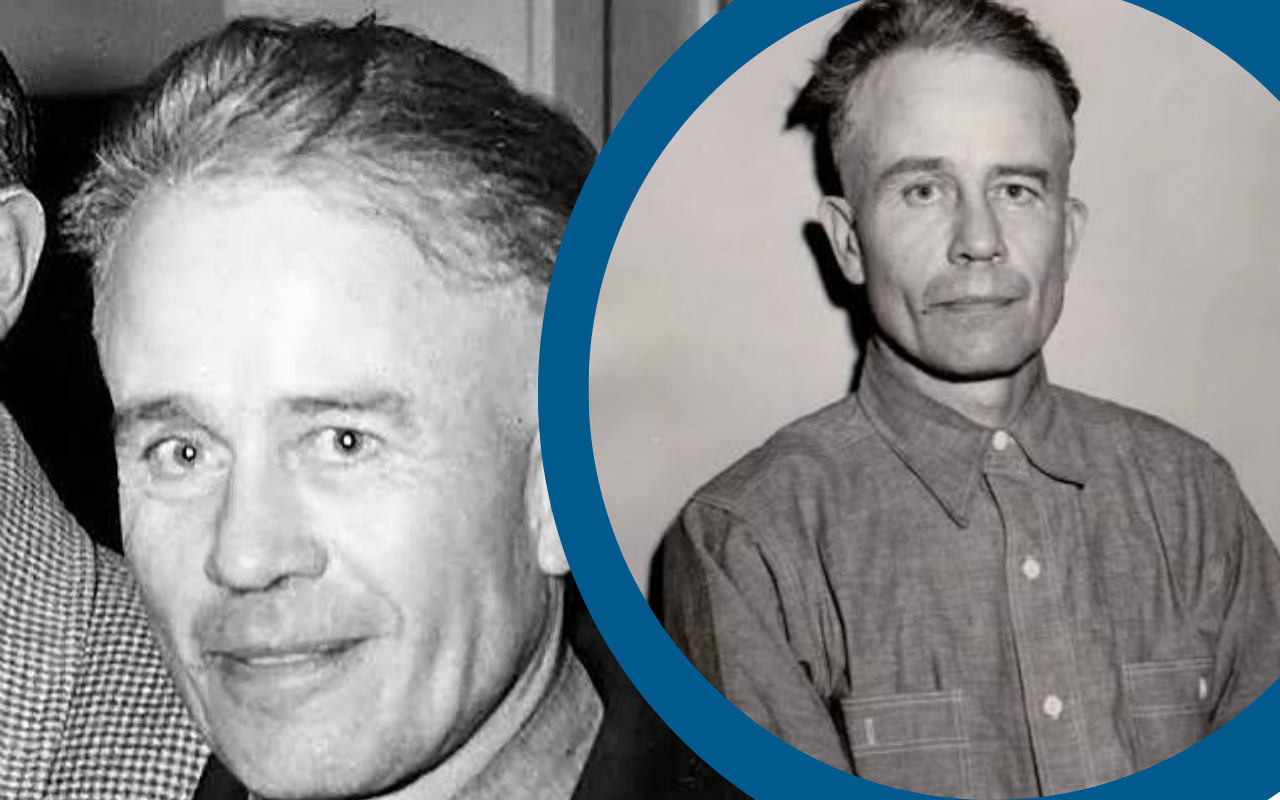
Ed Gein pictures remain some of the most recognized and historically discussed crime-related images from twentieth-century America. The photographs connected to Ed Gein, often showing him after his arrest, during police investigations, and in media coverage, represent a disturbing chapter in criminal history. These images are not only connected to a notorious case but also reflect how American society, journalism, and law enforcement documented major criminal events during the 1950s.
Ed Gein became nationally known in 1957 after authorities discovered evidence at his farmhouse in Plainfield, Wisconsin, that led to a shocking criminal investigation. His case attracted enormous media attention because of the unusual circumstances surrounding the crimes, and photographs of Gein quickly became part of the public record. Today, these pictures are studied by historians, researchers, journalists, and those interested in the development of true crime reporting and popular culture.
The Early Life of Ed Gein Before the Famous Pictures
Edward Theodore Gein was born on August 27, 1906, in La Crosse County, Wisconsin. He grew up in a strict and isolated household with his parents, George and Augusta Gein, and his older brother Henry. His mother strongly controlled the family environment, teaching her sons that the outside world was dangerous and immoral. After the deaths of his parents, Gein became increasingly isolated and lived alone on the family farm.
Before his crimes became public, Ed Gein was mostly unknown outside his local community. Neighbors often described him as quiet, strange, but not openly threatening. This contrast between his ordinary appearance and the later discoveries at his farmhouse contributed to the public fascination with photographs of him.
The images taken after his arrest created a lasting association between his face and the crimes he committed. Many people were surprised by his calm appearance, which contrasted sharply with the disturbing details revealed during the investigation.
The 1957 Arrest and the First Public Images of Ed Gein
The most famous Ed Gein pictures were taken following his arrest in November 1957. The investigation began after the disappearance of Bernice Worden, a hardware store owner in Plainfield. Authorities discovered evidence that connected Gein to her disappearance and searched his farmhouse, where investigators found disturbing items that led to national headlines.
During this period, photographers captured images of Gein being taken into custody and appearing in official settings. These black-and-white photographs were widely published in newspapers and magazines because television and print journalism relied heavily on visual reporting at the time.
The photographs showed a quiet-looking man rather than the frightening image many people expected. This contrast became one reason the images remained memorable. The public struggled to understand how someone who appeared ordinary could become connected to such a serious criminal case.
The Role of Black and White Photography in the Ed Gein Case
Most historical images of Ed Gein are black and white because they were taken during the 1950s, when color photography was not commonly used in everyday news coverage. The black and white style gave these photographs a documentary quality and helped preserve them as historical records.
Black and white crime photography has often been associated with serious journalism because it focuses attention on the subject rather than visual decoration. In the case of Ed Gein, these images became symbols of a major investigation and a period when newspapers played a central role in informing the public.
The simplicity of the photographs also contributed to their impact. A basic portrait of Gein became widely recognized because viewers connected the ordinary appearance of the subject with the extraordinary details of the case.
Police Investigation Images and the Gein Farmhouse
Along with portraits of Ed Gein, photographs from the police investigation became an important part of the historical record. The farmhouse in Plainfield became the center of the investigation after authorities discovered evidence that revealed the seriousness of the crimes.
Law enforcement photographs documented the location and the work of investigators as they collected evidence. These images were not created for entertainment but as part of official documentation. Many such photographs remain available only through historical archives, museums, or research collections.
The farmhouse itself later became one of the most discussed locations in true crime history. The images associated with the investigation helped shape public understanding of the case and contributed to the long-lasting interest in Gein’s story.
Media Coverage and the Public Reaction to Ed Gein Photos
The release of Ed Gein pictures had a major influence on how Americans viewed the case. Newspapers published photographs alongside reports describing the investigation, creating a strong connection between the images and the unfolding story.
During the 1950s, crime reporting often relied on dramatic headlines and photographs to attract readers. The Gein case became one of the most widely discussed criminal events of the decade because it combined mystery, investigation, and shocking discoveries.
Public reaction was intense. Many people were fascinated by the case, while others were disturbed by the attention given to such a tragic event. The photographs became part of a larger conversation about crime, mental health, media responsibility, and public curiosity.
The Influence of Ed Gein Pictures on Popular Culture
Ed Gein’s image and story later influenced books, films, and fictional portrayals of criminals in popular culture. Although fictional characters based partly on Gein were not exact representations, his case contributed ideas that appeared in famous horror and crime stories.
The lasting interest in Ed Gein pictures is partly connected to this cultural influence. His appearance became associated with the image of the mysterious and unsettling figure often portrayed in crime and horror entertainment.
However, researchers and historians often separate the real person from fictional versions. The actual photographs provide historical evidence of a specific criminal case, while movies and books frequently transform real events for dramatic purposes.
The Historical Value of Preserved Ed Gein Photographs
Today, Ed Gein photographs are preserved as historical materials rather than simply images connected to a famous crime. They help researchers understand how criminal investigations were conducted, how newspapers reported major events, and how public attitudes toward crime changed over time.
Archives containing these photographs provide valuable information for historians studying twentieth-century American society. They show the relationship between law enforcement, journalism, and public interest during a period before modern digital media.
The continued preservation of these images also raises important questions about ethics. Historical photographs involving crimes require careful consideration because they represent real people, real victims, and real events rather than fictional entertainment.
Why People Continue Searching for Ed Gein Pictures
The continued interest in Ed Gein pictures comes from several factors, including historical curiosity, interest in criminal investigations, and the influence of true crime media. Many people want to understand the person behind one of America’s most unusual criminal cases.
Photographs provide a visual connection to history. They allow people to see the individual involved in events that were widely reported decades ago. However, understanding these images requires looking beyond curiosity and considering the broader social and historical context.
Researchers often examine the photographs to study criminal psychology, media history, and changes in American culture. The images remain significant because they represent a moment when a local investigation became a national story.
The Lasting Legacy of Ed Gein Images
More than six decades after the investigation, Ed Gein pictures continue to appear in historical discussions, documentaries, and research materials. Their importance comes not only from the person shown in them but from what they reveal about American society during the 1950s.
These photographs represent a period when crime reporting was changing and when newspapers had significant influence over public opinion. They also demonstrate how images can shape the way people remember historical events.
The legacy of these photographs is complicated. They are important records of history, but they are also connected to a tragic case involving real victims. Responsible discussion of these images requires recognizing both their historical importance and their serious subject matter.
Conclusion
Ed Gein pictures remain some of the most recognizable crime-related photographs in American history. From his arrest images to investigation photographs, these records provide insight into one of the most widely discussed criminal cases of the twentieth century. They document not only the events surrounding Ed Gein but also the way media, law enforcement, and society responded to a shocking investigation.
The lasting interest in these images comes from their historical value and their connection to broader topics such as crime reporting, photography, and popular culture. While the photographs continue to attract attention, they are best understood as historical documents that reflect a complex and disturbing chapter of the past. Through careful study and responsible discussion, these images help explain how a single case influenced public memory and changed the way crime stories were recorded and remembered.




Leave a Reply