
Introduction
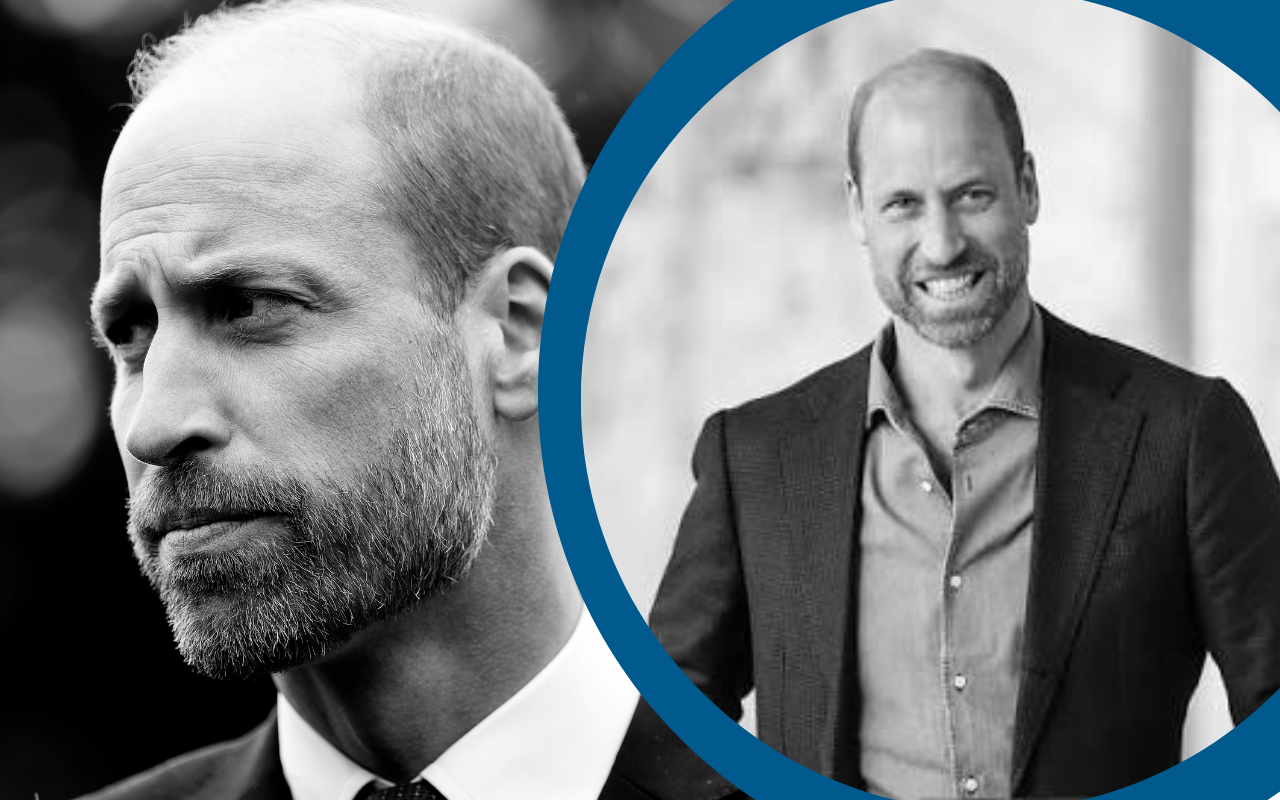
Prince William black and white photos have become some of the most recognizable images connected with the modern British royal family. These photographs capture more than just the appearance of the Prince of Wales; they reflect different stages of his life, from his childhood as the first son of King Charles III and the late Princess Diana to his role as a future monarch. The timeless style of black and white photography gives these portraits a classic quality, allowing viewers to focus on expressions, emotions, and personality rather than colors and background details.
Over the years, photographers have used black and white photography to present Prince William in a more personal and artistic way. Whether showing him during official royal duties, military service, family moments, or formal portraits, these images often highlight his character, confidence, and connection with the public. The popularity of these photographs shows how traditional photography continues to play an important role in documenting royal history.
The Early Life of Prince William and His First Photographic Moments
Prince William Arthur Philip Louis was born on June 21, 1982, at St Mary’s Hospital in London. As the first child of then-Prince Charles and Princess Diana, his birth attracted worldwide attention. From his earliest days, photographs of William became part of the public record, documenting the life of a young royal who was expected to play an important role in the future of the monarchy.
Many early photographs of Prince William were captured in classic black and white styles. During the 1980s, black and white photography was still widely used by newspapers, magazines, and professional portrait photographers. These images often presented a more traditional view of the royal family, emphasizing dignity and simplicity.
Childhood portraits of William frequently showed him with his parents and younger brother, Prince Harry. Black and white images from this period are especially meaningful because they preserve memories of Princess Diana’s close relationship with her children. These photographs are often viewed as symbols of family life, affection, and the changing image of the British monarchy.
The Artistic Appeal of Black and White Royal Photography
Black and white photography has a unique ability to create emotional depth. Without the influence of colors, viewers naturally focus on facial expressions, lighting, shadows, and details within the photograph. This style has been used for generations to create powerful portraits of important historical figures, and Prince William’s images are part of this tradition.
A black and white portrait of Prince William often gives a sense of elegance and seriousness. The contrast between light and dark can highlight his features, while the absence of color creates a timeless appearance. Many royal photographers choose this style because it connects modern figures with the long history of portrait photography.
For Prince William, black and white portraits often represent maturity and responsibility. As he moved from childhood into adulthood and later became the Prince of Wales, these photographs reflected his changing public role. They show not only a person but also the evolution of a future king.
Prince William’s Formal Portraits and Public Image
Formal black and white portraits of Prince William are among the most popular images associated with him. These photographs are usually created for official occasions, royal announcements, or important milestones. They often show him wearing formal clothing, including suits, military uniforms, or traditional royal attire.
These portraits help shape the public image of Prince William as a responsible and modern royal figure. Photographers carefully consider posture, facial expression, and lighting to communicate qualities such as confidence, leadership, and approachability.
Unlike traditional royal portraits that focused mainly on status and ceremony, many modern images of William attempt to show a more relatable personality. His black and white photographs often balance royal tradition with a sense of personal connection, allowing people to see him as both a future monarch and a member of a family.
Military Service and Symbolic Black and White Images
One important period represented in Prince William’s photography is his military career. Before taking on a larger role in royal duties, William served in the British Armed Forces. He trained at the Royal Military Academy Sandhurst and later worked as a search and rescue pilot with the Royal Air Force.
Black and white military portraits of Prince William often carry a strong historical feeling. The style connects his images with generations of royal family members who served in the armed forces. These photographs frequently emphasize discipline, duty, and commitment.
Images from this period show a different side of William. Instead of only appearing as a member of the royal family, he is presented as someone who trained, worked, and contributed through public service. The seriousness of black and white photography enhances the symbolic importance of these moments.
The Role of Photography in Documenting Prince William’s Royal Journey
Photography has played a major role in recording Prince William’s journey from a young prince to the heir to the British throne. Every stage of his life has been documented through portraits, public appearances, and official photographs.
Black and white images are particularly valuable because they often feel historical even when they are relatively recent. They create a connection between past and present, showing how royal traditions continue while society changes.
As Prince William became more involved in charitable activities and official responsibilities, photographers began capturing images that reflected his interests and values. Portraits from these years often focus on his work supporting mental health awareness, environmental causes, and community organizations.
Prince William and the Modern Royal Family Through Photography
The modern British royal family has used photography as a way to communicate with people around the world. Prince William’s black and white photos are part of this broader approach, where carefully created images help share important moments with the public.
Family photographs featuring William, his wife Catherine, Princess of Wales, and their children are often admired for their warmth and natural style. While many family images are published in color, black and white versions are sometimes created to provide a more artistic and emotional presentation.
These photographs help show a balance between royal responsibility and everyday family life. They present William not only as a future king but also as a husband and father. This human side has contributed to his popularity among many royal observers.
Famous Photographers Behind Prince William’s Iconic Images
Professional photographers have played a significant role in creating memorable portraits of Prince William. Royal photography requires skill, patience, and an understanding of how to capture public figures in meaningful ways.
Photographers working with the royal family often aim to create images that represent important moments while maintaining respect and privacy. Their work combines traditional portrait techniques with modern photography styles.
Many iconic black and white images of William demonstrate careful attention to lighting, composition, and expression. These elements transform a simple photograph into a historical record. The photographer’s ability to capture personality is one reason these portraits remain popular long after they are taken.
Why Prince William Black and White Photos Remain Popular
The continued popularity of Prince William black and white photos comes from their timeless appearance and emotional impact. People often search for these images because they represent important moments in royal history and personal memories connected with the Prince of Wales.
Black and white photographs also have a nostalgic quality. They remind viewers of earlier eras while still presenting modern subjects in an elegant way. For royal fans, these images provide a visual timeline of William’s life, showing his development from a young prince into a future king.
In addition, black and white photography works well for portraits because it highlights human emotion. A simple expression, a serious look, or a natural smile can become more powerful when presented without the distraction of color.
The Historical Importance of Prince William’s Photographic Legacy
Prince William’s photographs will likely remain important historical records for future generations. As he continues his journey toward becoming king, images from different periods of his life will help document the development of the British monarchy in the twenty-first century.
Black and white portraits have a special place within this collection because they connect modern royal photography with traditional forms of portrait art. They preserve moments of personal growth, public service, and family history.
These images are not only pictures of a royal figure; they are visual documents that tell stories about leadership, responsibility, and changing expectations of monarchy. They show how Prince William’s public identity has developed over decades.
Conclusion
Prince William black and white photos represent much more than elegant portraits. They provide a visual history of his life, from his childhood years and family memories to his military service and responsibilities as the Prince of Wales. Through the timeless style of black and white photography, these images capture emotions, character, and important moments in his royal journey.
The lasting appeal of these photographs comes from their ability to combine tradition with modern storytelling. They allow people to see Prince William not only as a future king but also as an individual with personal experiences and responsibilities. As his role in the monarchy continues to grow, these iconic black and white images will remain valuable records of a significant chapter in British royal history.




Leave a Reply