
Introduction
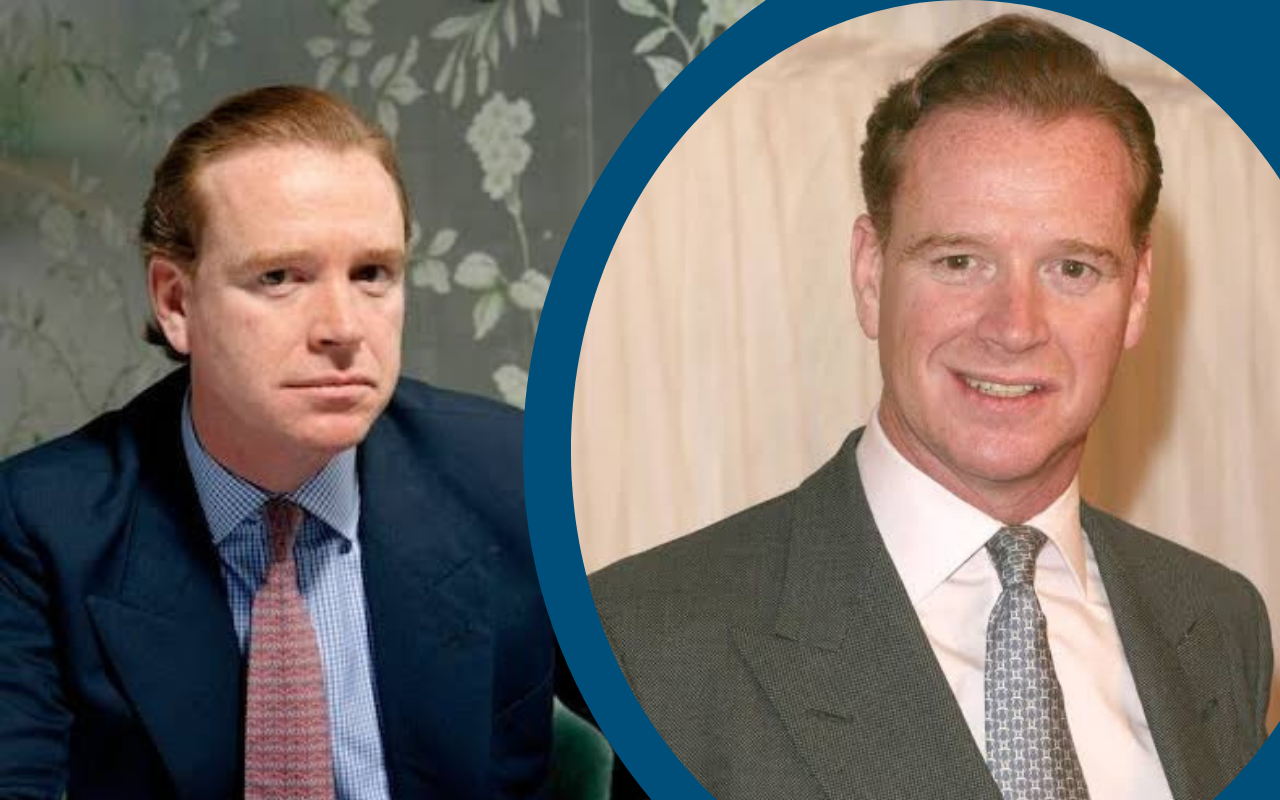
Major James Hewitt is a former British Army officer whose life became internationally known because of his relationship with Diana, Princess of Wales. Before his name became connected with one of the most discussed royal relationships of the twentieth century, Hewitt had already established a lengthy military career. He served with the Life Guards, participated in the Gulf War, commanded an armoured squadron, and received recognition for his service.
His relationship with Diana later changed the direction of his public life. The affair became the subject of newspaper reports, books, television coverage, and eventually Diana’s own comments during her famous 1995 BBC Panorama interview. Hewitt later wrote about his experiences in his memoir Love and War, adding another perspective to a relationship that had already become part of modern royal history.
Perhaps the most persistent story associated with Hewitt is the claim that he was the biological father of Prince Harry. However, the established chronology does not support this theory. Harry was born in September 1984, while Diana and Hewitt are generally understood to have met in 1986. Hewitt himself has repeatedly denied being Harry’s father.
Early Life and Background
James Lifford Hewitt was born on April 30, 1958, in Derry, Northern Ireland. He later pursued a career in the British Army, an institution that would remain central to his life for almost two decades.
Hewitt trained at the Royal Military Academy Sandhurst, one of Britain’s best-known institutions for preparing officers for military service. After completing his training, he was commissioned into the Life Guards in 1978. The regiment is part of the Household Cavalry and combines historic ceremonial responsibilities with operational military duties.
His early career was therefore based on military discipline, leadership, and professional development rather than public celebrity. He spent years building experience within the Army before his private life attracted international attention.
The contrast between these two chapters is important when considering Hewitt’s biography. His public identity was initially that of a professional soldier, while his later reputation became overwhelmingly associated with the British royal family.
Career With the Life Guards
Hewitt’s service with the Life Guards formed the foundation of his professional career. As an officer in the Household Cavalry, he was involved in training and leadership responsibilities and eventually gained experience commanding armoured forces.
His career required the discipline and physical demands expected of an Army officer. He progressed through the ranks and developed specialist experience with tanks, which later became particularly important during his deployment to the Middle East.
Although his eventual public reputation has often overshadowed his military background, Hewitt’s service was substantial. He spent approximately 17 years in the Army before leaving in 1994. His military career included active service as well as leadership responsibilities.
The title “Major James Hewitt” also requires some explanation. Accounts of his military career state that he did not pass the promotion examination for substantive major, but he was granted the rank of major when he retired, following Army practice concerning retired officers.
Service During the Gulf War
One of the most important professional chapters in Hewitt’s life was his service during the 1991 Gulf War. He served as a tank squadron commander during the conflict, placing him in a demanding operational environment far removed from the royal controversy that would later dominate his public image.
The Gulf War followed Iraq’s invasion of Kuwait in 1990. A large international coalition was assembled to force Iraqi forces out of Kuwait, and British forces played a significant role in the military campaign.
Hewitt’s responsibilities as an armoured commander involved leadership, planning, and the operation of military vehicles in combat conditions. His service during the conflict demonstrated that his Army career involved genuine operational experience rather than simply ceremonial duties.
He was mentioned in despatches for his service during the Gulf War. This recognition is an important part of his military record and is sometimes overlooked when discussions about Hewitt focus entirely on his relationship with Diana.
His wartime experience also later influenced his writing, as Love and War combined his personal story with memories of his military career.
Meeting Diana, Princess of Wales
James Hewitt’s life changed dramatically after he met Diana, Princess of Wales. Their relationship is generally dated to 1986, when Hewitt was serving with the Household Cavalry and became involved in giving Diana riding lessons.
Diana had a strong interest in horses and riding, while Hewitt had experience as a cavalry officer. Their shared interest provided an opportunity for them to spend time together, and their relationship eventually became romantic.
At the time, Diana’s marriage to Prince Charles was experiencing serious difficulties. The relationship between Diana and Hewitt developed during a complicated period in the princess’s personal life.
Because Diana was one of the world’s most recognizable people, maintaining a private relationship was extremely difficult. Hewitt’s position as an Army officer also meant that his personal connection with the princess attracted enormous interest once details began to emerge.
The relationship reportedly continued for several years, although its exact details have remained the subject of extensive public discussion.
The Royal Affair and Public Attention
The relationship between Diana and Hewitt eventually became one of the most controversial stories surrounding the British royal family during the 1990s. Newspapers and magazines published reports about the affair, while books later attempted to reconstruct the events.
One particularly significant publication was Anna Pasternak’s 1994 book Princess in Love. The book drew heavily on information provided by Hewitt and presented the relationship as a serious romantic affair. Its publication brought Hewitt even greater attention and criticism.
The controversy demonstrated the intense media environment surrounding Diana during the period. The princess was followed constantly by photographers and reporters, while people connected to her private life could suddenly become international news.
For Hewitt, the exposure changed his public identity permanently. Instead of being known primarily as an Army officer, he became known around the world as Diana’s former lover.
Diana’s 1995 Panorama Interview
The relationship received another major moment of public attention when Diana gave her famous interview to journalist Martin Bashir for the BBC program Panorama in 1995.
During the interview, Diana openly acknowledged her relationship with Hewitt. She described her feelings for him and discussed the circumstances surrounding their relationship. Her comments became international headlines and contributed to the continuing debate about the state of her marriage and the pressures she experienced as a member of the royal family.
The interview was watched by millions of people and became one of the most memorable television events connected with the British monarchy.
For Hewitt, Diana’s public confirmation meant that the relationship was no longer simply a matter of speculation. It became an acknowledged part of the historical record surrounding Diana’s life.
The interview also contributed to the broader transformation of Diana’s public image during the final years of her life.
Love and War and Hewitt’s Side of the Story
In 1999, Hewitt published his memoir, Love and War. The book provided his personal account of his relationship with Diana as well as his experiences in military service.
The title itself reflected the two major aspects of his public biography. “War” referred to his experiences as a soldier, including his service in the Gulf, while “love” referred to his relationship with Diana.
The memoir attracted considerable attention because readers were interested in hearing Hewitt’s version of events. It also showed how difficult it could be for someone connected to the royal family to escape media scrutiny once private information became public.
Hewitt’s decision to discuss the relationship publicly remains controversial. Some observers viewed his disclosures as an attempt to explain his experiences, while others criticized the publication of intimate details about Diana.
Regardless of those differing opinions, Love and War became an important source for understanding Hewitt’s own account of this period.
The Prince Harry Paternity Rumor
The most persistent rumor connected with James Hewitt concerns Prince Harry. For years, some people have claimed that Hewitt was Harry’s biological father, often pointing to Harry’s red hair and perceived similarities between the two men.
However, the timeline makes this claim highly problematic. Prince Harry was born on September 15, 1984, while Diana and Hewitt are generally documented as having met in 1986.
This means Harry was already approximately two years old before Diana and Hewitt’s relationship began. Hewitt has also repeatedly denied that he is Harry’s father. In interviews, he has addressed the rumor directly and rejected the claim.
The rumor has nevertheless continued because of the enormous public fascination with Diana and the royal family. It is important to distinguish between a long-running piece of speculation and established biographical evidence.
The available chronology does not support the claim that Hewitt fathered Prince Harry.
Life After the Army and Later Years
Hewitt left the British Army in 1994, bringing an end to a military career that had lasted about 17 years. By this point, however, his relationship with Diana had already made him internationally recognizable.
His life after military service was shaped heavily by the media attention surrounding his relationship with the princess. He participated in interviews, published his memoir, and remained a recurring subject in discussions about Diana.
The intense publicity also brought considerable personal pressure. Accounts of his later life describe periods of emotional difficulty associated with the enormous attention surrounding the relationship.
In later years, Hewitt has generally maintained a quieter public profile. Nevertheless, journalists and royal historians continue to revisit his story because of the lasting interest in Diana’s life.
His military career, relationship with Diana, and later public appearances have therefore become closely intertwined in the historical record.
Conclusion
Major James Hewitt’s life contains two dramatically different stories. The first is the story of a British Army officer who trained at Sandhurst, served with the Life Guards, participated in the Gulf War, commanded a tank squadron, and received recognition for his military service. The second is the story of a man whose private relationship with Diana, Princess of Wales, made him an international figure.
His relationship with Diana became publicly acknowledged through her 1995 Panorama interview, while Hewitt later shared his own perspective in Love and War. These events permanently connected his name with one of the most closely examined periods in modern royal history.
The Prince Harry paternity rumor remains another major part of the public discussion surrounding Hewitt, but the established timeline contradicts the claim. Harry was born in 1984, before Diana and Hewitt met, and Hewitt himself has denied being his father.
Ultimately, James Hewitt’s biography should not be defined only by his connection to Diana. His military career, Gulf War service, writing, and experiences under extraordinary public scrutiny are all important parts of his life story.
Leave a Reply